By Habib Lukaya, Country Manager – Kenya, Roam
When we talk about electric mobility in Africa, we often start with the motorcycle. How far can it go? How quickly does it charge? How much does it cost?
These are important questions. But as the industry matures, I believe we need to ask a bigger one: Can the ecosystem around electric mobility work together?
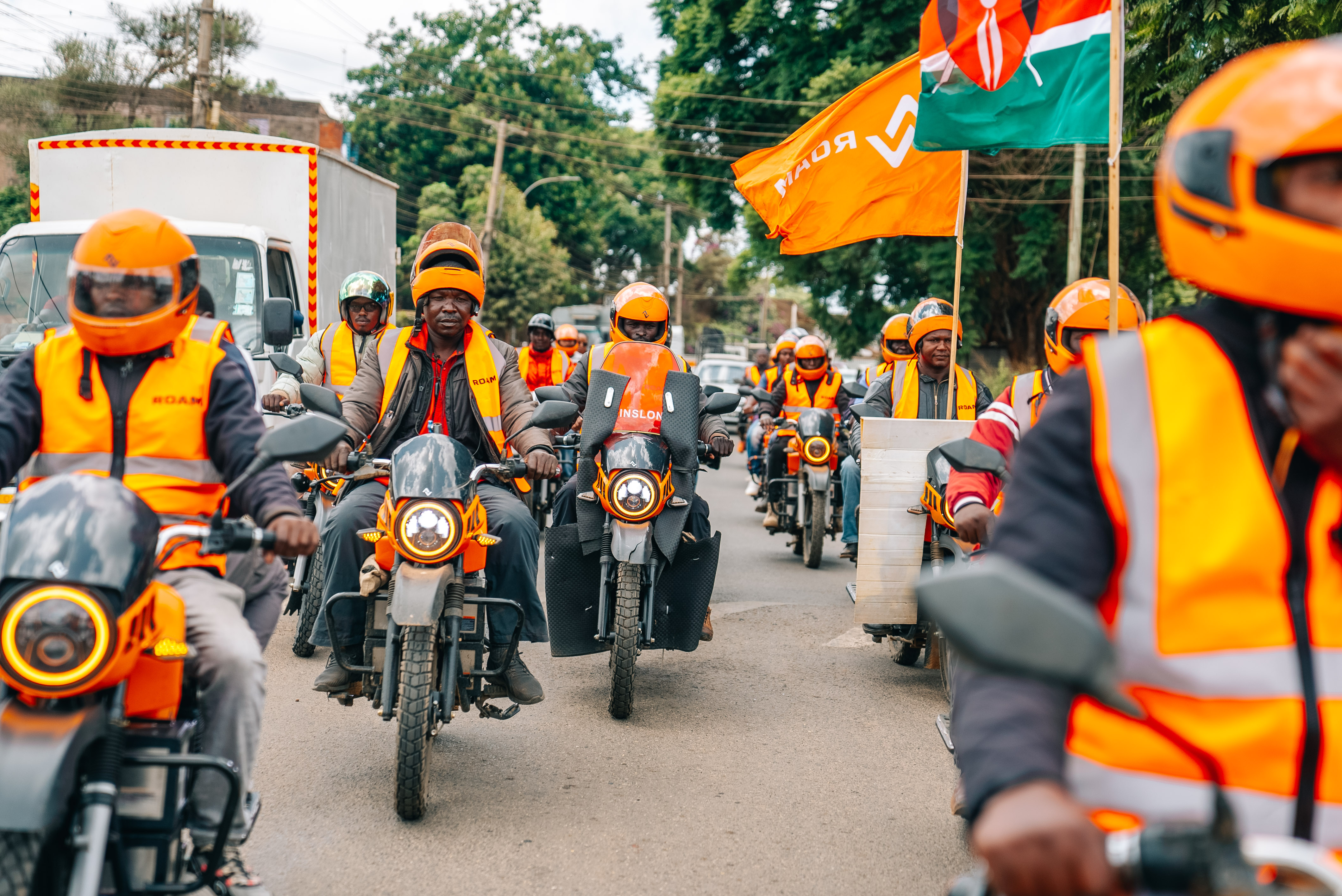
Because Africa's electric future will not be built around one motorcycle, one manufacturer, or one technology. It will be made up of different vehicles, charging networks, service providers, technologies, and businesses: all needing to operate in the same environment.
At Roam, we believe interoperability must be part of that future. And we are already building towards it.
.jpg)
Moving beyond our own products
Roam started with a simple ambition: build electric mobility for African conditions. Today, that ambition is expanding.
With Roam Explorer, we are using AI and technology to make electric mobility easier to understand and navigate. It is another example of how technology can remove barriers between customers and the ecosystem around them. But technology is only one piece. Infrastructure is where interoperability becomes real.

Charging should not be a closed ecosystem
Through Roam Points, we are developing charging infrastructure for light electric vehicles, not simply creating another network exclusively for Roam motorcycles. That distinction matters.
Imagine an electric future where every manufacturer requires its own charging infrastructure. Riders would have to think about which charger belongs to which vehicle, where they can charge, and whether the infrastructure they encounter will work for them.
That is not the kind of ecosystem Africa needs. We need infrastructure that grows with the market. As more electric motorcycles, three-wheelers, and other light electric vehicles enter the market, charging infrastructure should become more accessible, not more fragmented.
The same should be true for servicing
The vehicle is only as useful as the support ecosystem around it.
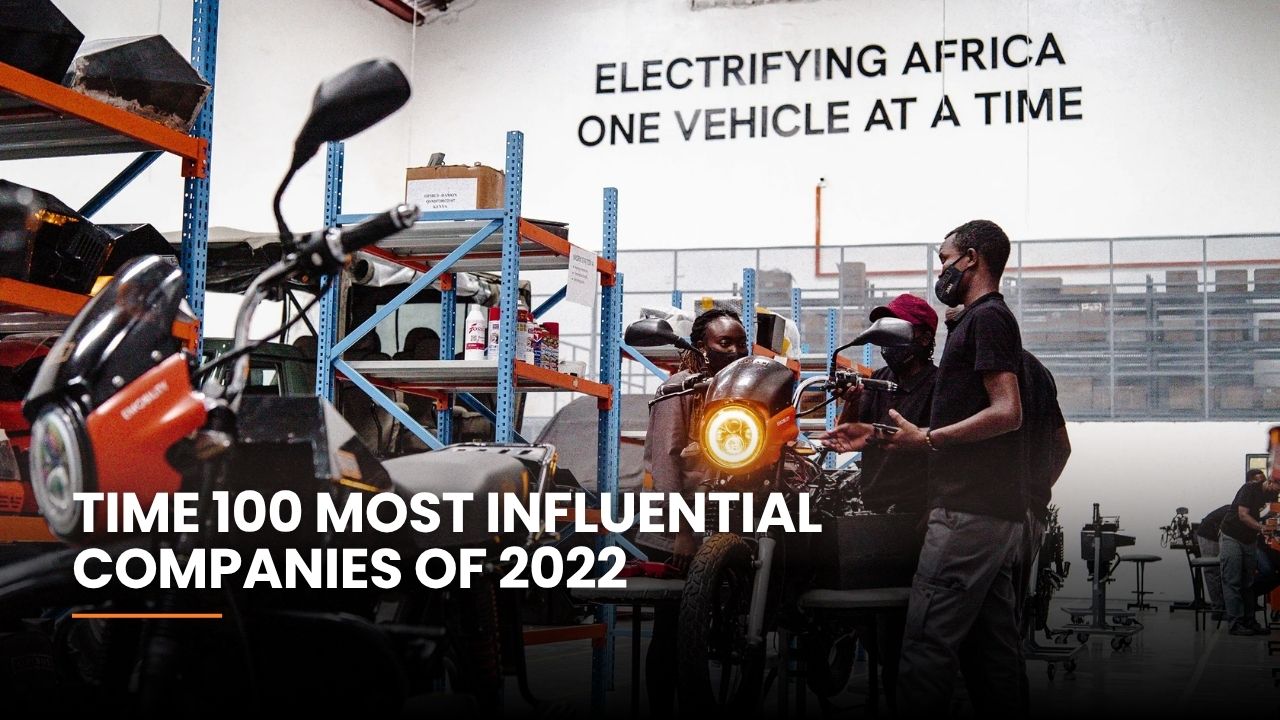
Our Roam Nairobi Service Center is built to make servicing electric motorcycles faster and more accessible. And as we expand its capabilities, our ambition is to open this infrastructure to electric motorcycles across the industry, not just Roam.
Why? Because a stronger technical and after-sales ecosystem benefits everyone. More trained technicians, more accessible expertise, better access to parts and servicing and a greater confidence for customers considering electric mobility. That is how an industry grows.
.jpg)
Interoperability is bigger than Roam
We don't see interoperability as giving up competition. Companies should compete on what they build, the quality of their vehicles, their technology, their customer experience, and the value they create.
But some parts of the ecosystem should work together: Charging. Servicing. Technology. Standards.
The more these systems can work across different players, the easier it becomes for customers to adopt electric mobility. And the easier adoption becomes, the faster the entire market can grow.
Africa has an opportunity to build it differently
Africa is still early in its electric mobility journey. That is an advantage. We have the opportunity to avoid building fragmented systems that create unnecessary barriers for the next generation of riders and businesses. Instead, we can build an ecosystem where different technologies and players can coexist, connect, and create value together.

At Roam, that means thinking beyond the motorcycle we manufacture. It means asking: What infrastructure can we build that others can use, what technology can make the ecosystem easier to navigate? what capabilities can help the wider industry grow?
Because our ambition isn't simply to put more electric motorcycles on African roads. It is to help build an electric mobility ecosystem where more of them can thrive.
The future shouldn't be a collection of separate islands
Africa's electric mobility future will have many players. That is a good thing. But those players should not have to build completely separate worlds around themselves. The future should be connected.
And if we get interoperability right, we don't just make electric mobility better for one company or one vehicle. We make it better for Africa.
"Our goal isn't simply to sell more electric motorcycles. It is to help build the ecosystem that makes electric mobility more connected, accessible, and scalable across Africa."
.jpg)